Movie Review: Revolutionary Road
JANUARY 22, 2026
Rating: MAA | ❌ | 🔴
Concerns: Sexuality, Adultery, Abortion, Despair, Nihilism, Human Dignity
Notes: The film presents adultery, marital breakdown, and abortion as understandable or therapeutic responses to dissatisfaction, while treating marriage, fidelity, and sacrifice as oppressive. Sin is normalized without repentance, consequence, or hope, resulting in a nihilistic vision that undermines moral truth.
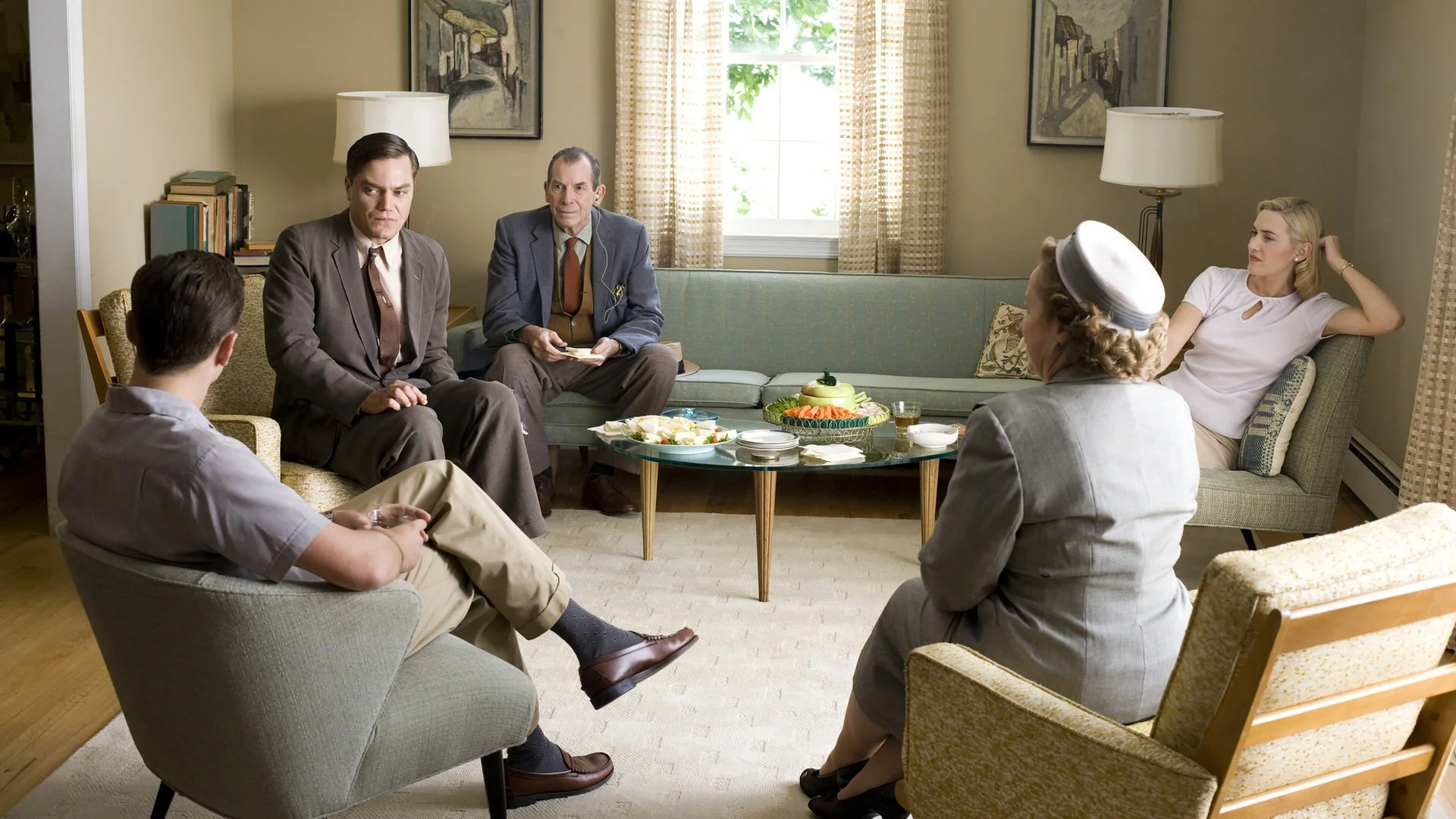
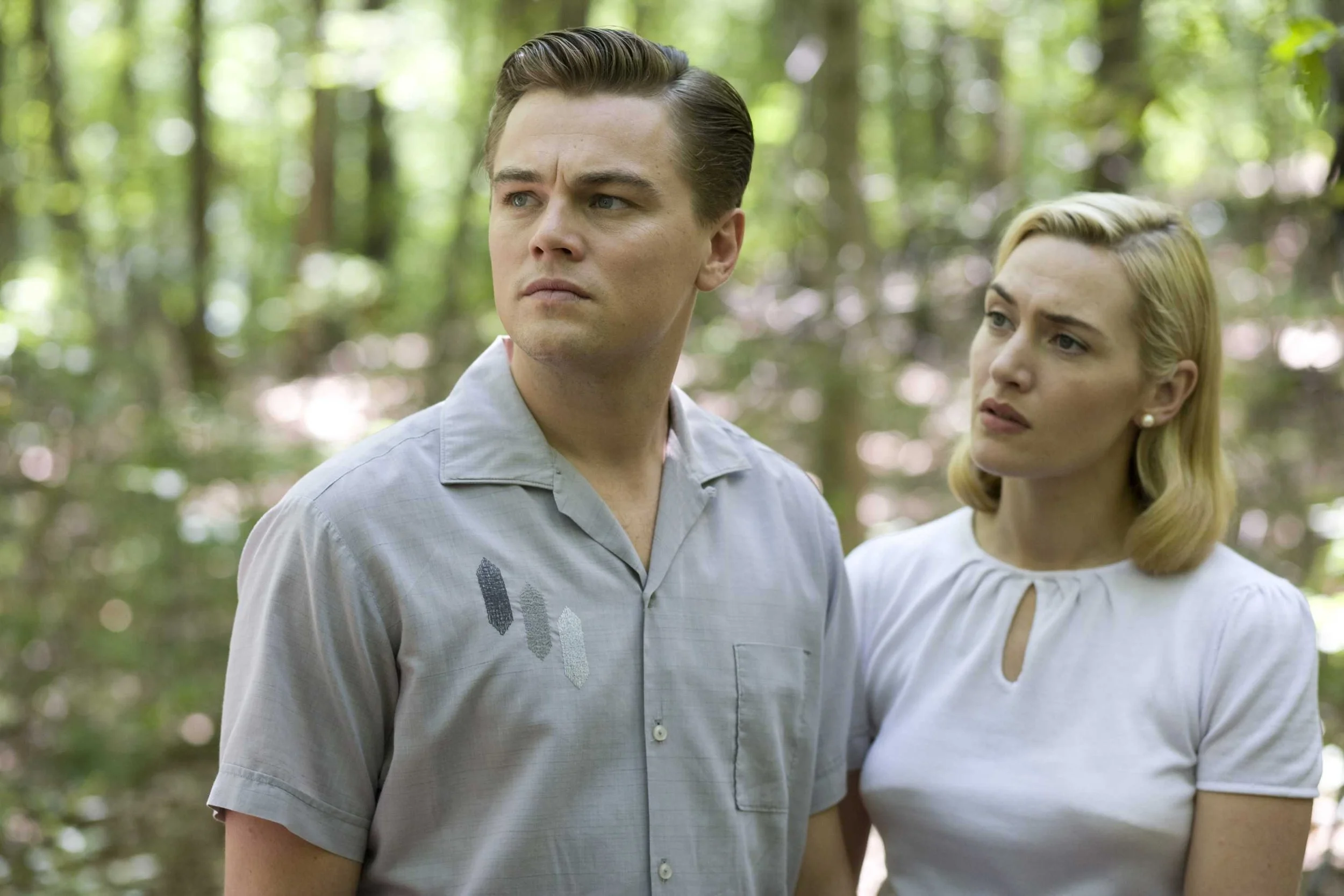


Revolutionary Road
Year: 2008
Director: Sam Mendes
Spoiler Warning: This review contains discussion of major plot points and ending details.
Quick Take
Revolutionary Road is one of those films where I want to be really clear: the craft is top-tier… and yet, I will never recommend it. I didn’t just “not like it.” I detested it, and I think it’s best avoided because of what it normalizes and what it refuses to name. It’s spiritually cold, morally evasive, and leaves you sitting in despair without offering truth or any real path out.
That said, and this matters, I’m not coming for the talent involved. The performances are phenomenal, the direction is confident, the music is excellent, and the cinematography is gorgeous. This isn’t a “bad movie” in the technical sense. It’s a well-made movie that, in my view, uses its excellence in service of a story that poisons the well.
The Story
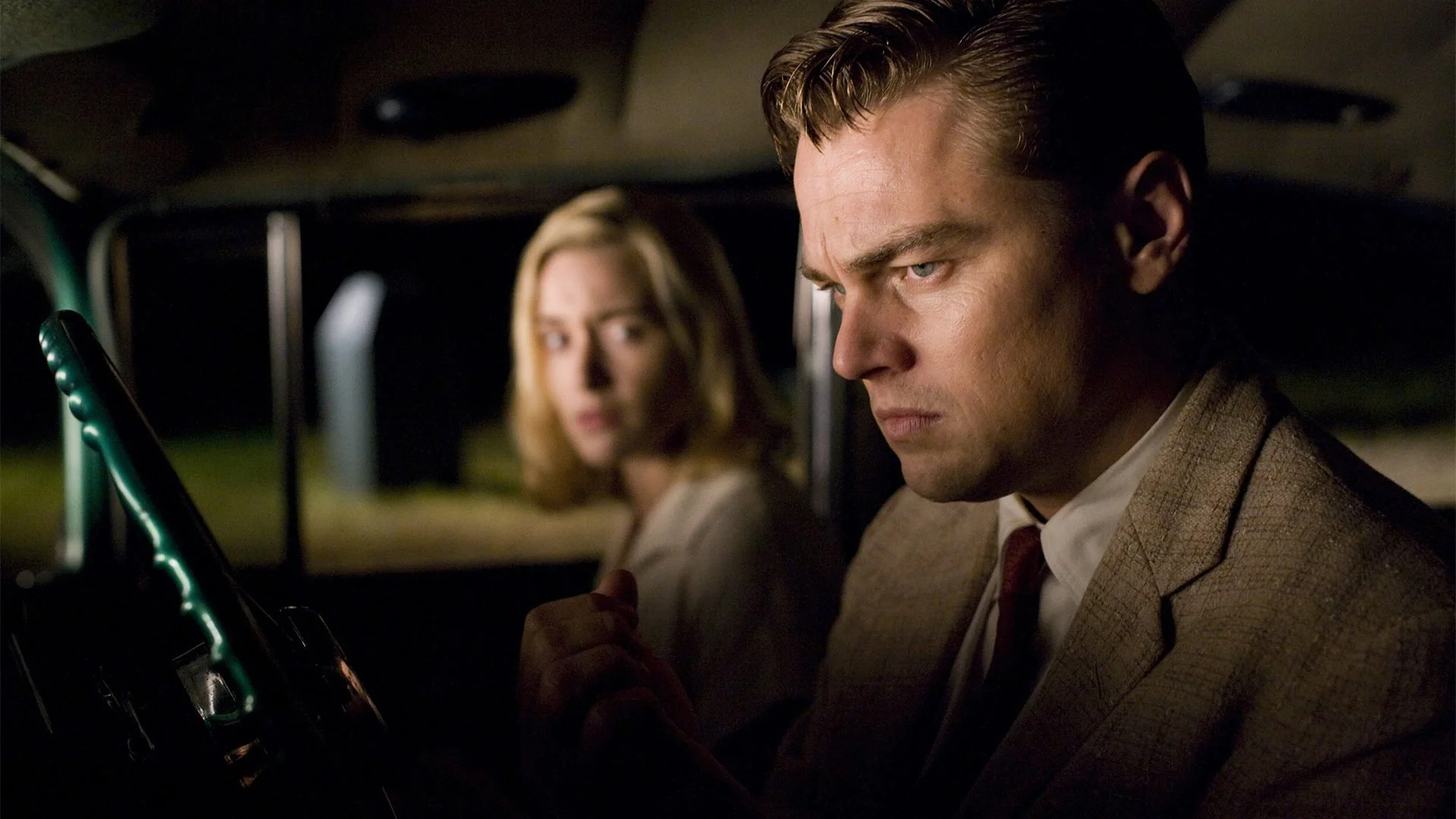
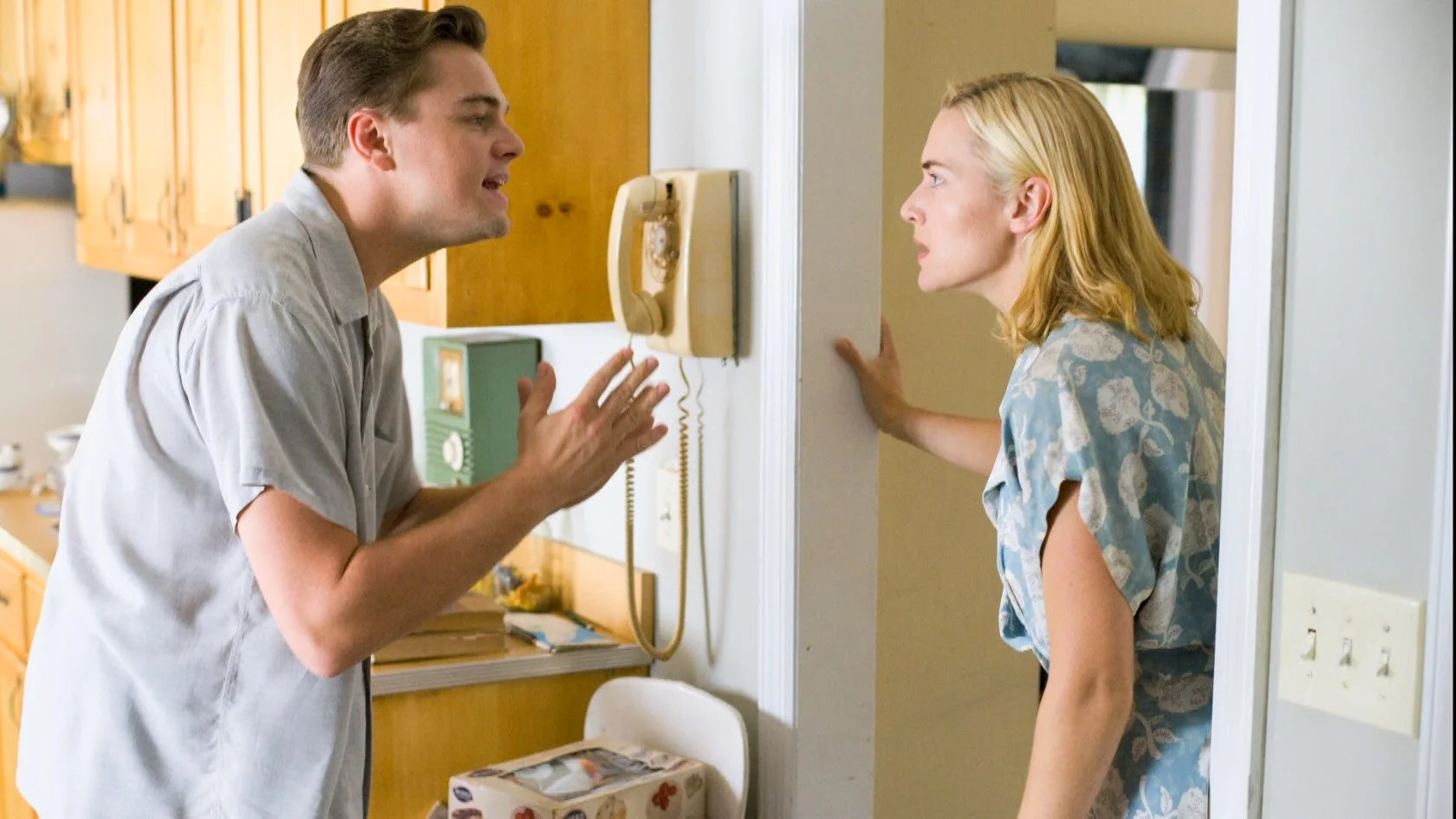
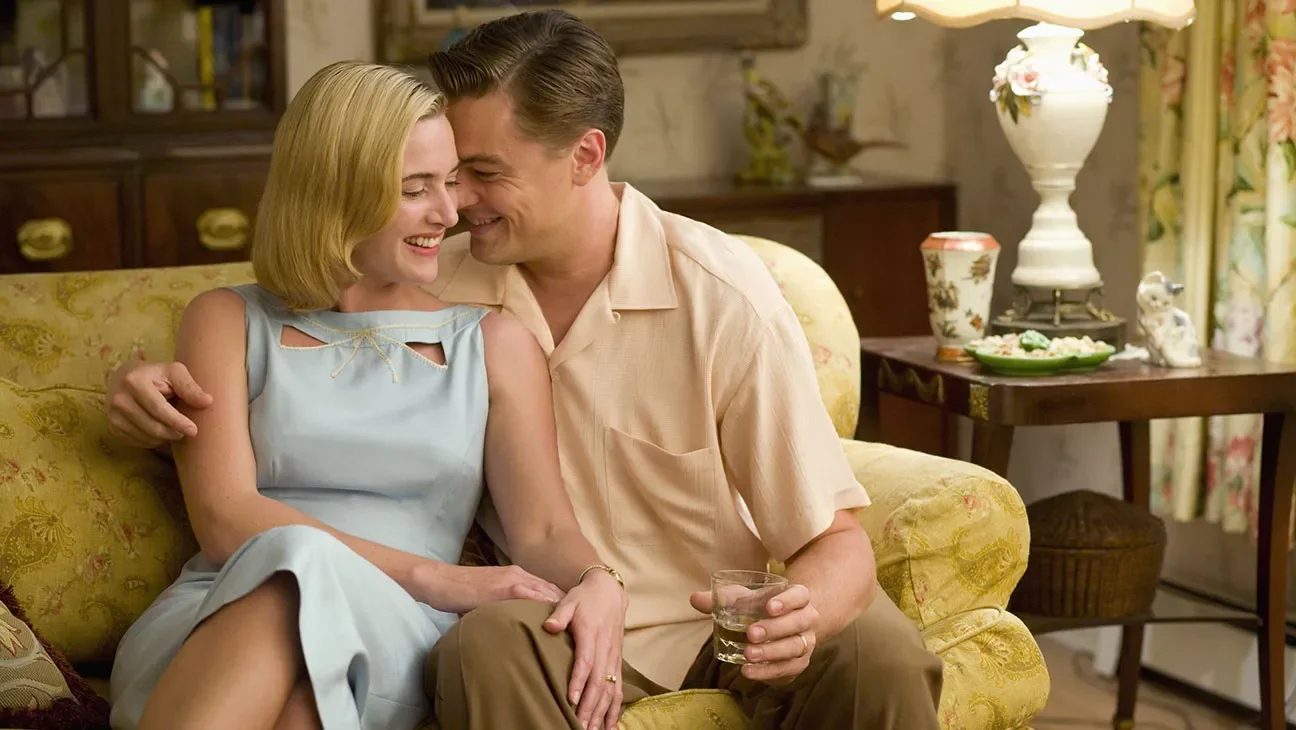
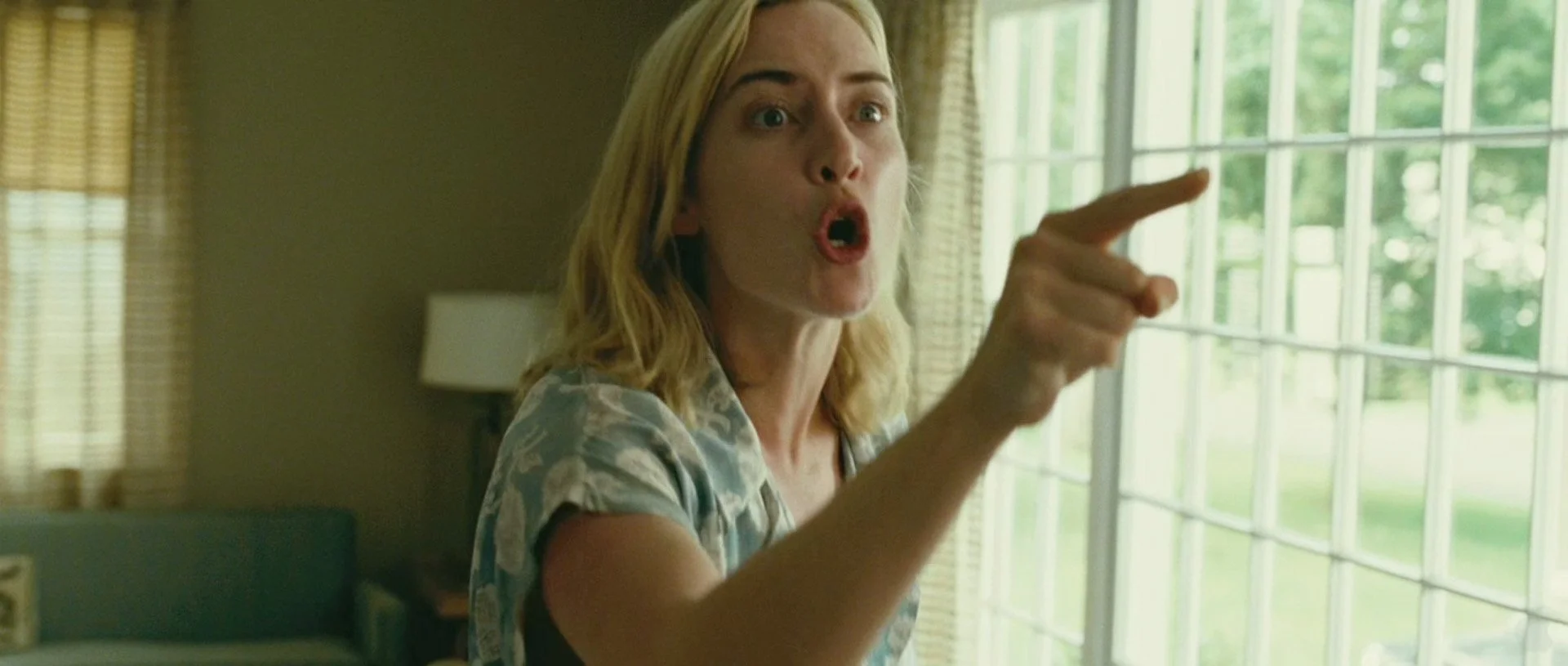
The film follows Frank and April Wheeler (Leonardo DiCaprio and Kate Winslet), a young suburban couple in the 1950s trying to hold together a life that looks “successful” from the outside, while the marriage itself quietly (and then loudly) unravels. The story isn’t really about external tragedy or fate crushing them – it’s about what happens when resentment, discontent, escapism, and self-absorption become the operating system of a home.
What Works
Artistically, it’s hard to deny the level of skill here. DiCaprio and Winslet are both excellent, and the supporting craft around them is first-rate. The direction is controlled and purposeful, the score is strong, and the visuals are beautifully composed. If all we were doing was grading acting, cinematography, and overall production quality, this film would have a lot going for it.
And that’s precisely why it’s so frustrating: the movie is too well-made for what it ultimately delivers. It’s not sloppy or accidental. It’s deliberate – and it uses that precision to pull the viewer into a world where ugliness isn’t simply portrayed, but slowly treated as normal.
The Christian Lens
From a Christian perspective, the Wheelers’ aren’t tragic heroes. They’re adults increasingly turned inward, worshiping autonomy, appetite, and self-image, and resenting the very obligations that make love possible: fidelity, patience, sacrifice, self-denial, and responsibility.
A life without explicit reference to God does not automatically collapse into nihilism, and it would be both theologically careless and pastorally false to suggest otherwise. The Church has long affirmed that human beings, guided by conscience and natural virtue, are capable of genuine moral goodness and authentic love even when God is not clearly known (cf. Gaudium et Spes 16).
The more serious question raised by this film is not about individual belief, but about the anthropology it assumes. The vision of happiness on offer is consistently framed in terms of self-realization, autonomy, and the satisfaction of desire, while suffering appears only as an interruption – something to be minimized, escaped, or managed, but never interpreted. Within such a horizon, suffering cannot become meaningful; it can only be endured or eliminated.
From a Christian perspective, this is where the emotional logic of the film begins to falter. When suffering is rendered unintelligible, hope itself comes to appear dishonest, a refusal to face reality as it truly is. Despair, by contrast, is subtly presented as lucidity – as the courage to acknowledge that loss has no redemptive horizon. Nihilism is not argued for explicitly, but it emerges implicitly, not as a doctrine but as an atmosphere.
What is missing is not religious language as such, but any account of the human person capable of bearing suffering without the erosion of meaning. Catholic theology insists that suffering, while never good in itself, is not meaningless: it can be borne, offered, and even transfigured within a larger narrative of love. By refusing that possibility, the film ultimately narrows the moral and spiritual imagination of its characters, and of its audience.
The movie’s view of marriage is where it gets especially corrosive. Marriage isn’t treated as a covenant ordered toward communion or mutual sanctification; it’s framed as a suffocating social construct – a cage, a trap, an obstacle to self-actualization. And the film subtly pushes the idea that the real “sin” was getting married in the first place. That’s a lie. The problem isn’t marriage. The problem is entering a covenant without fidelity of heart –without the intention to love.
And love, as Christianity rightly understands it, isn’t “you make me feel alive.” Love is willing the good of the other, seeking their true good, even when it costs you. But these characters don’t want communion. They want admiration, validation, sex, escape, and leverage.
That’s also why the film’s handling of adultery feels so morally dishonest. It’s not just shown; it’s treated as understandable, almost therapeutic, as though it’s merely a pressure valve for domestic frustration. There’s no real moral reckoning, no genuine repentance, no conversion. From a Catholic standpoint, adultery isn’t merely a “private failing.” It’s a grave injustice and a betrayal of vows that wounds spouses and children. It’s a lie enacted with the body, and it kills love unless it’s dragged into the light and healed by truth and grace.
The film also treats abortion and bodily autonomy with a cold, utilitarian logic – like the body is just a tool to manage in service of desire, rather than a gift with meaning. Catholic moral teaching is unambiguous here: abortion is an intrinsic evil because it directly ends an innocent human life, and it also deeply wounds the mother. It isn’t liberation. It’s violence. And while motherhood is not a woman’s only vocation (and her dignity is never reducible to childbearing), the capacity to bring forth life is a profound good – never a disposable burden.
What makes all of this worse is the film’s complete lack of redemptive horizon. Suffering is everywhere, but nobody seeks conversion. Nobody grows in charity. Nobody speaks the truth plainly. The characters don’t fall and rise – they just rot. And that doesn’t make the film “brave.” It makes it spiritually sterile.
Content Notes
This is an adult drama dealing heavily with marital breakdown, infidelity, and abortion-related material, with an overall tone that is bleak and emotionally punishing. Even if someone could intellectually “handle” the themes, the film’s posture toward those themes, especially the way it normalizes sin without truth, can be spiritually corrosive.
Bottom Line
Yes, this is a well-acted, well-directed, beautifully assembled film. But in terms of what it does to the viewer’s moral imagination, especially its portrayal of marriage, infidelity, and abortion, I firmly believe it’s spiritually unhealthy and do not recommend this movie. It’s not wrong because it shows ugliness. It’s wrong because it normalizes ugliness without truth, and it presents suffering without meaning or hope. Save yourself the time.
DISCLAIMER: These reviews and ratings are offered to assist the formation of conscience, not replace it. Christians may reasonably differ in their final judgment.