Movie Review: WHIPLASH
JANUARY 26, 2026
Rating: MAA | ⚠️ | 🟢
Concerns: Language
Notes: The film contains frequent, aggressive, and often gratuitous profanity, used to depict an abusive teaching environment. While this behavior is not glorified or justified, the intensity and repetition of the language require a mature viewer and thoughtful discernment.




Whiplash
Year: 2014
Director: Damien Chazelle
Spoiler Warning: This review contains discussion of major plot points and ending details.
Quick Take: When “Greatness” Becomes an Idol
Whiplash is a tense, stylish, artistically impressive film – and also one I’d only recommend with real caution. It’s the kind of movie that can leave you thinking (and arguing – in a good way) afterward: How far is too far in the pursuit of excellence? On a craft level, it’s genuinely excellent. On a moral level, it’s a cautionary tale that shines a harsh light on what happens when ambition stops being a tool and starts becoming a god.
The Story
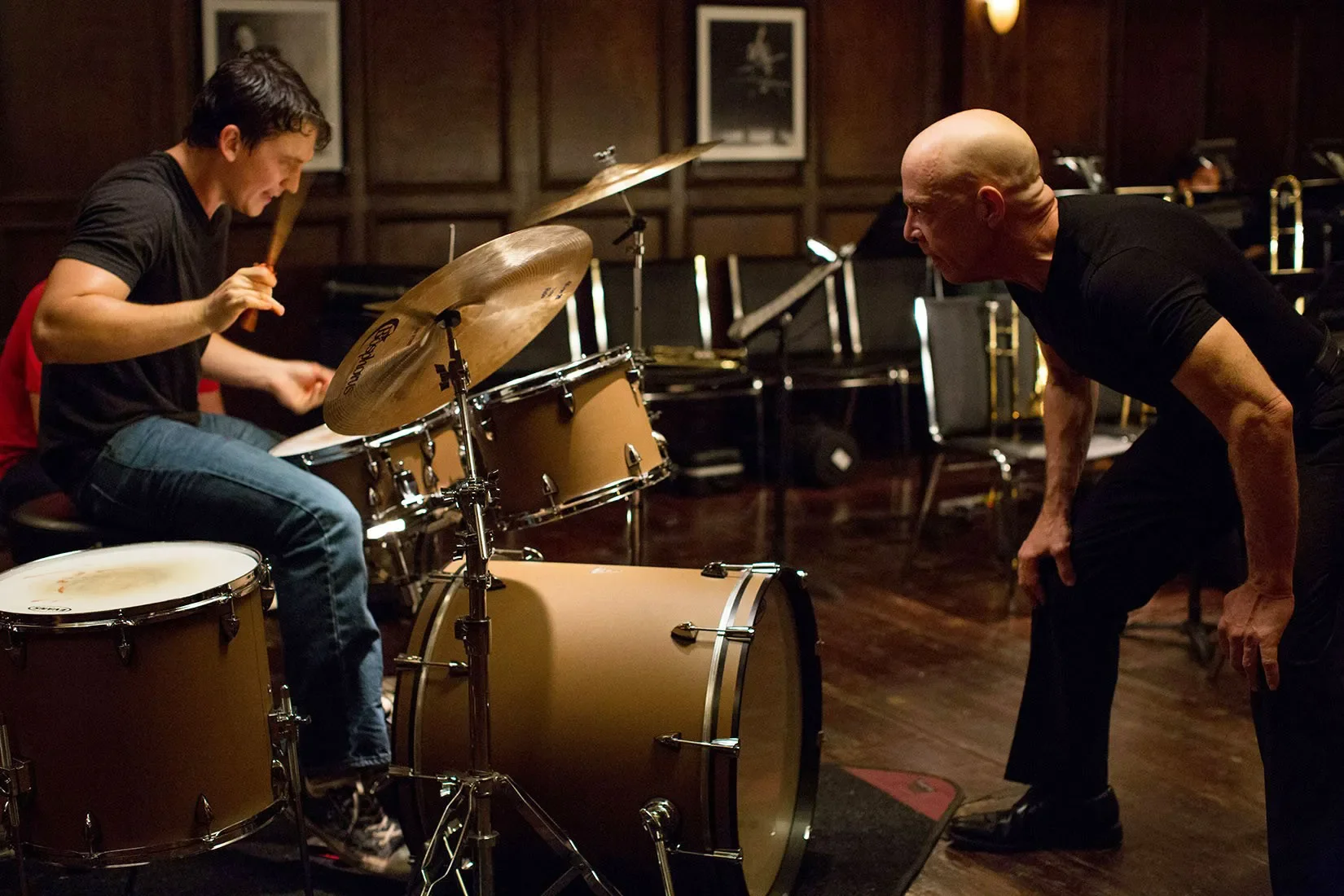
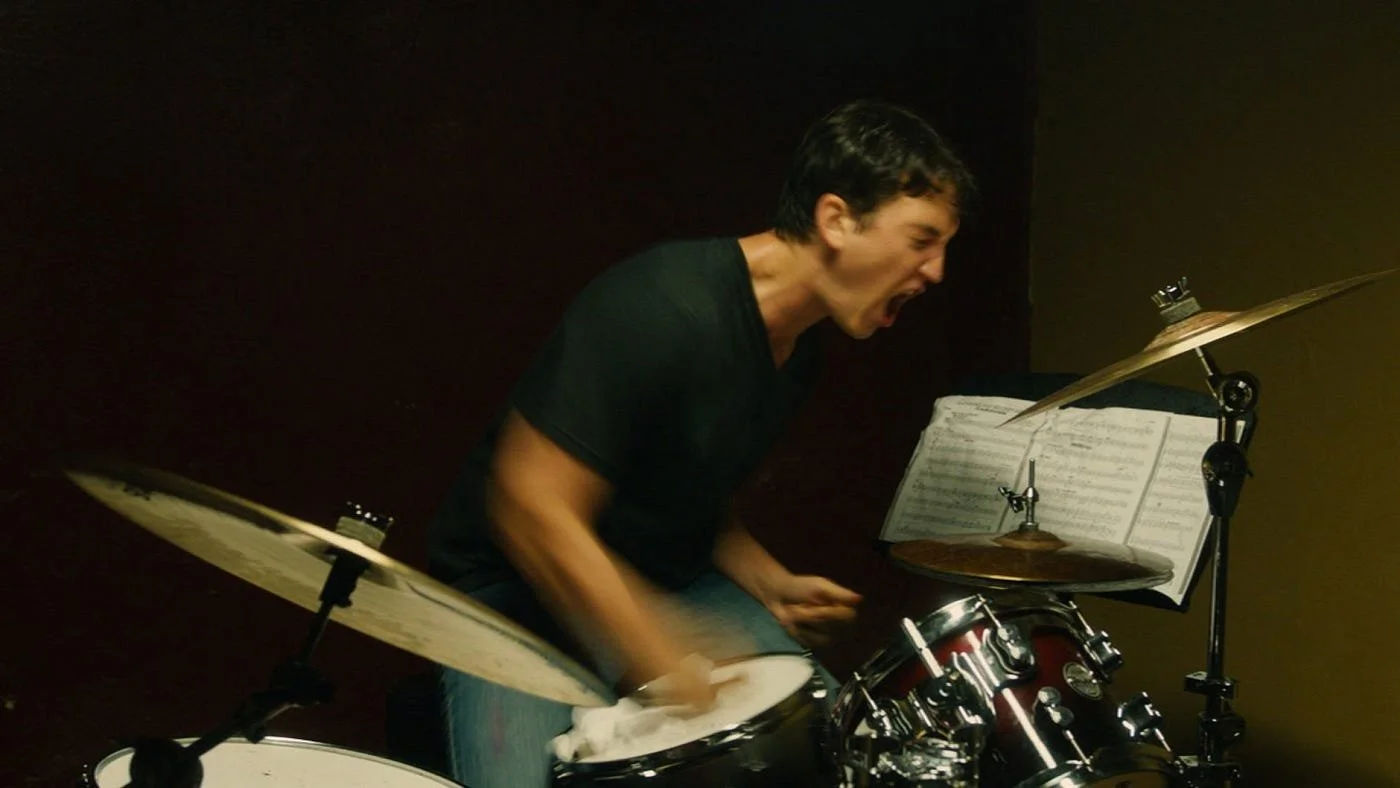
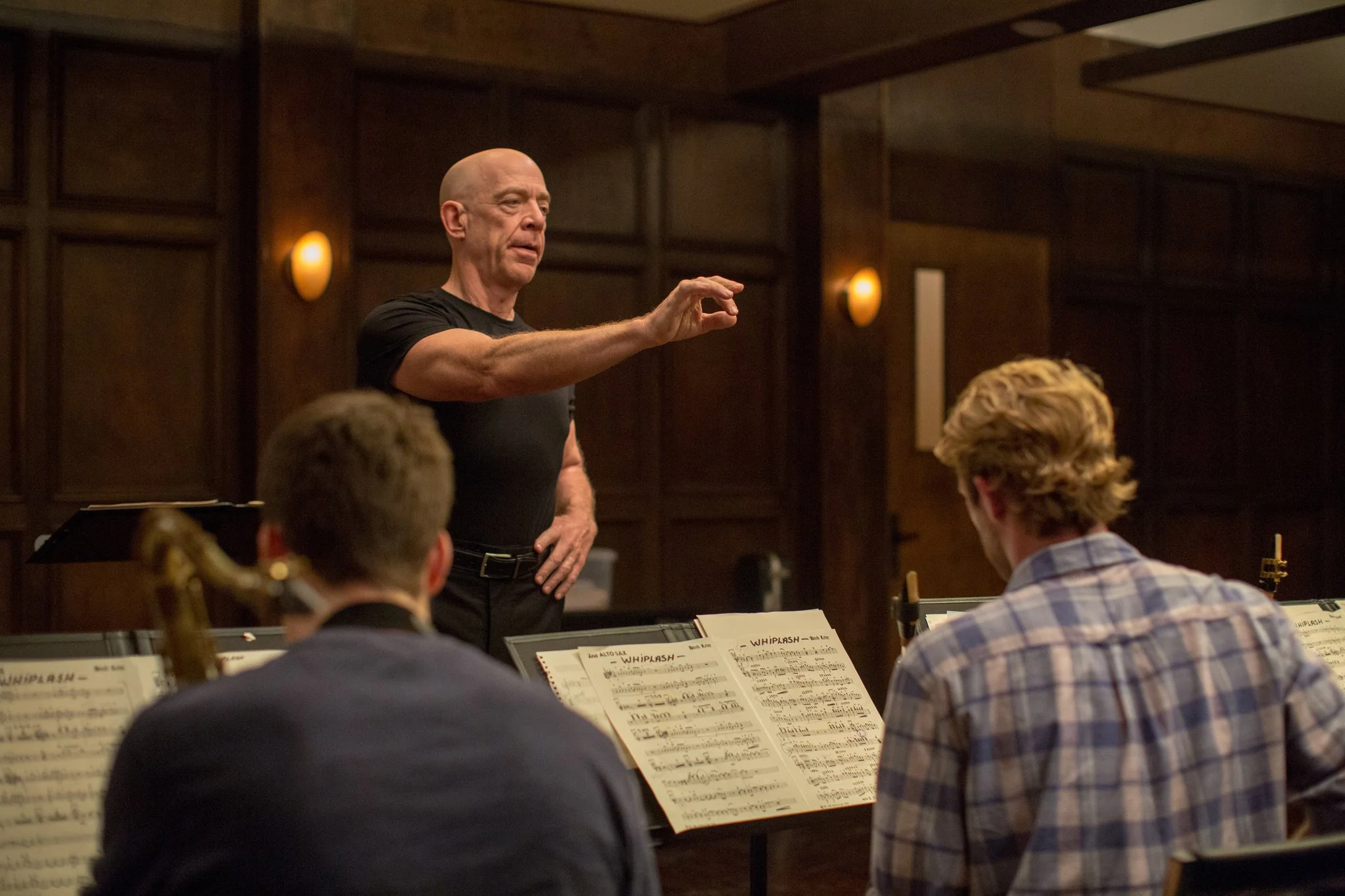
The movie centers on Andrew Neiman (Miles Teller), a young drummer who is laser-focused (almost possessed) by the idea of becoming “one of the greats.” Enter Terence Fletcher (J.K. Simmons), a terrifyingly intense instructor who claims his cruelty has a purpose: to push students past their limits in order to find true greatness. The film builds into a pressure-cooker dynamic between student and teacher, and it keeps forcing the viewer to face the central question: Does the end ever justify methods like this?
What Works
Artistically, this film is really well done. Miles Teller and J.K. Simmons are both fantastic – Simmons in particular is unforgettable, because the character is so dominating that you almost feel his presence even when he’s not speaking. And Damien Chazelle’s direction is sharp and confident; you can tell he knows exactly what kind of movie he’s making.
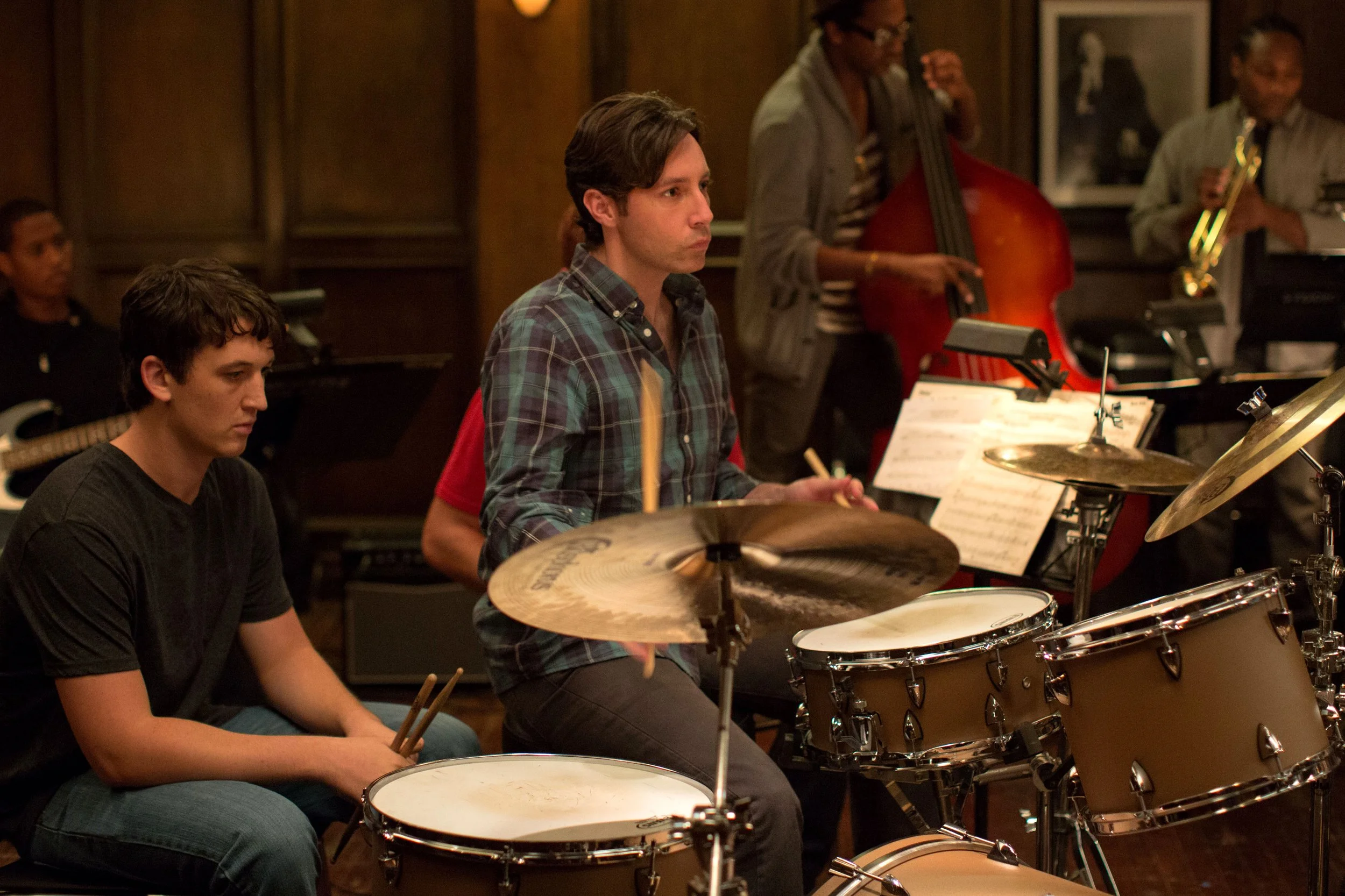
The editing deserves special mention. It’s cut with this kinetic energy that makes the movie feel like music – fast, rhythmic, intense. Tom Cross’ editing gives the whole story a kind of momentum that keeps you locked in, even when you’re uncomfortable (and you will be uncomfortable).
The Christian Lens
One thing I appreciate about Whiplash is that it actually takes a serious moral question and refuses to hand you an easy answer: How far is too far? There’s even a moment later where Andrew flat-out asks Fletcher if he thinks a person can go too far – almost like the film is turning toward the audience and asking, “Okay… what do you think?”
From a Christian moral standpoint, the pursuit of excellence isn’t the problem. Wanting to do something well, even wanting to be great at it, isn’t automatically sinful. In fact, the Christian tradition honors “magnanimity” (big-hearted striving) when it’s ordered properly: using your gifts for what is good, true, and beautiful, under God, with humility. But Whiplash shows what happens when that striving becomes disordered – when success becomes ultimate, when identity becomes fused to achievement, and when the “goal” starts demanding human sacrifices.
That disordered pursuit shows up in two ways. With Fletcher, it’s the cold, brutal willingness to crush someone’s spirit “for their own good.” Even if his stated intention is “I’m trying to find the great,” the method violates something non-negotiable in Christian teaching: the inherent dignity of the human person. You never get to treat a person like raw material to shape, break, and discard – even for a “noble” end. The end does not justify intrinsically demeaning or abusive means.
With Andrew, it’s the self-destructive obsession that turns his craft into a kind of false worship. The film shows him driving himself into physical harm, literally bleeding, because “greatness” has become the one thing he serves. That’s where this movie gets surprisingly Christian as a warning: anything – career, talent, reputation, even a good thing like art – can become an idol when it becomes the ultimate thing. Once that happens, you don’t just work hard; you start sacrificing your relationships, your peace, even your own well-being on its altar. The breakup with the girl he’s interested in is a small but telling example of how idol-making narrows the heart and damages real human love.
And the film makes the consequences painfully clear. There’s a major (and heavy) subplot reference to a former student who dies by suicide, presented as part of the fallout of a culture that pushes people past the breaking point. That’s not “entertaining tragedy”; it’s the movie showing that this way of life leaves wreckage in its wake. It’s one of the reasons I like the film: the film doesn’t feel like it’s glorifying cruelty or endorsing obsession. It’s showing the seductive logic of it, and then showing the cost.
One small theological nuance I’d add, the language in the film is “gratuitous,” but I can accept it as part of the viewing experience because the film isn’t glorifying that evil. The movie uses harshness to communicate harshness, not to celebrate it. Still, it’s worth saying plainly: even when a film is critiquing vice, the viewer is still exposed to it, and repeated profanity can still be spiritually corrosive or scandalous for some people. So the right Christian posture here is prudence: recognizing the film’s artistic intention and honestly assessing whether this is wise for you (or your household) to take in.
Content Notes
This is an R-rated film, and the rating feels earned mainly because the language is aggressive, abrasive, and frequently profane. It’s harsh enough that it can be genuinely jarring, and it’s not something I’d recommend for teens without careful discernment (and frankly, a parent watching it alongside them).
There are also heavy themes tied to emotional abuse, psychological breakdown, and suicide references. Even if the film is doing something meaningful with those themes, they’re still weighty – and not everyone should be stepping into that.
Bottom Line
Whiplash is a really good movie, especially artistically, with excellent performances and filmmaking craft. Morally, it has a lot to offer Christians precisely because it functions as a cautionary tale: it shows how the pursuit of greatness can turn into a false god for both the “student chasing excellence” and the “mentor chasing legacy,” and it doesn’t hide the damage that follows. But because the language is so intense (and because the film is emotionally punishing), this is absolutely a “watch with conversation and discernment” recommendation. If you do watch it, it’s the kind of movie that’s best followed by a real conversation with a friend or family memeber: What is excellence for? What is success worth? And what are we never allowed to sacrifice on the way there?
DISCLAIMER: These reviews and ratings are offered to assist the formation of conscience, not replace it. Christians may reasonably differ in their final judgment.