Movie Review: F1

JANUARY 21, 2026
Rating: TNS | ⚠️ | 🟢
Concerns: Sexuality
Notes: A secondary romantic subplot includes implied premarital sex and a non-committal relationship that is left unresolved. Casual intimacy is presented as normal and unproblematic, with no emphasis on commitment or consequence.


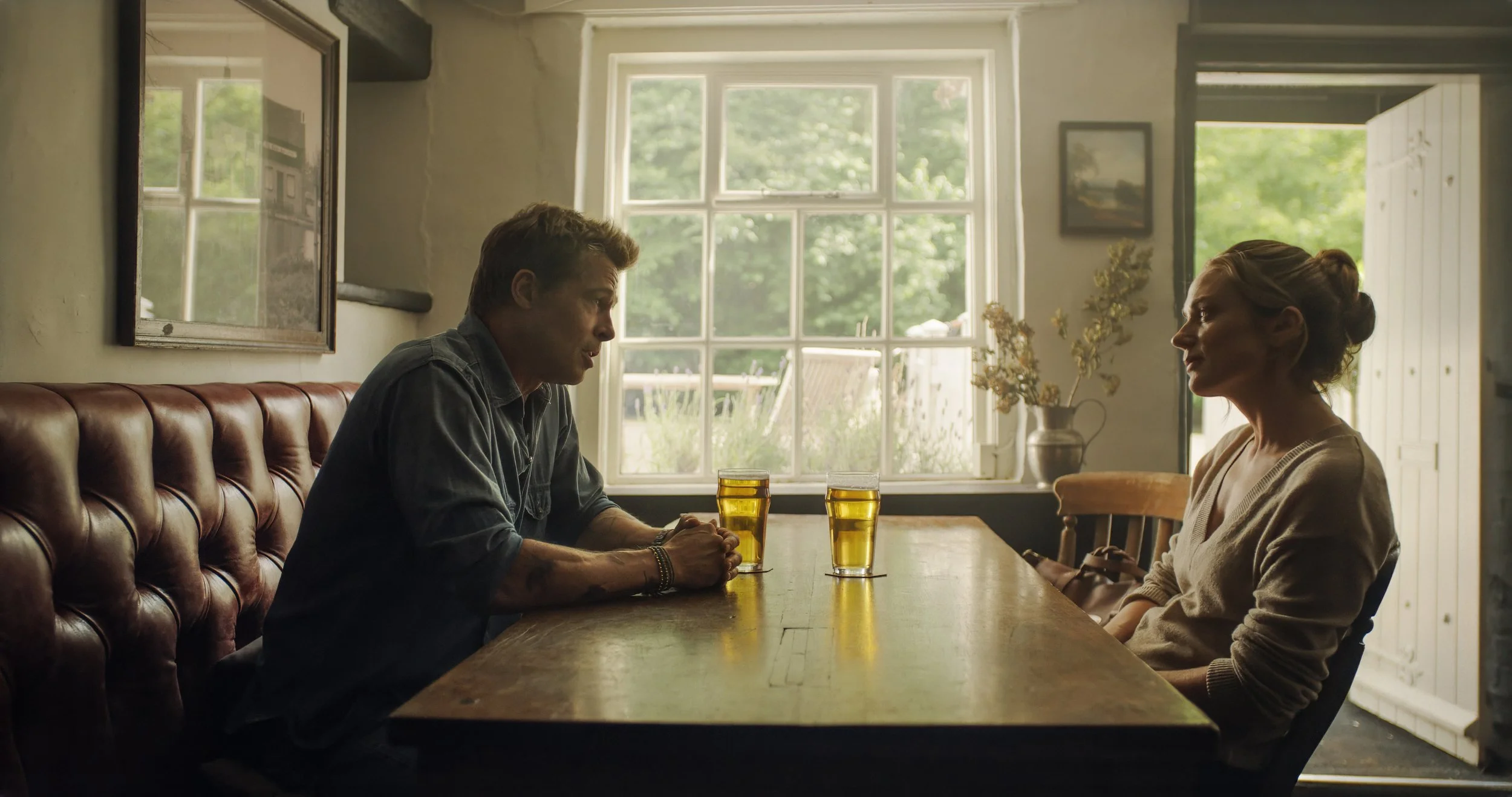


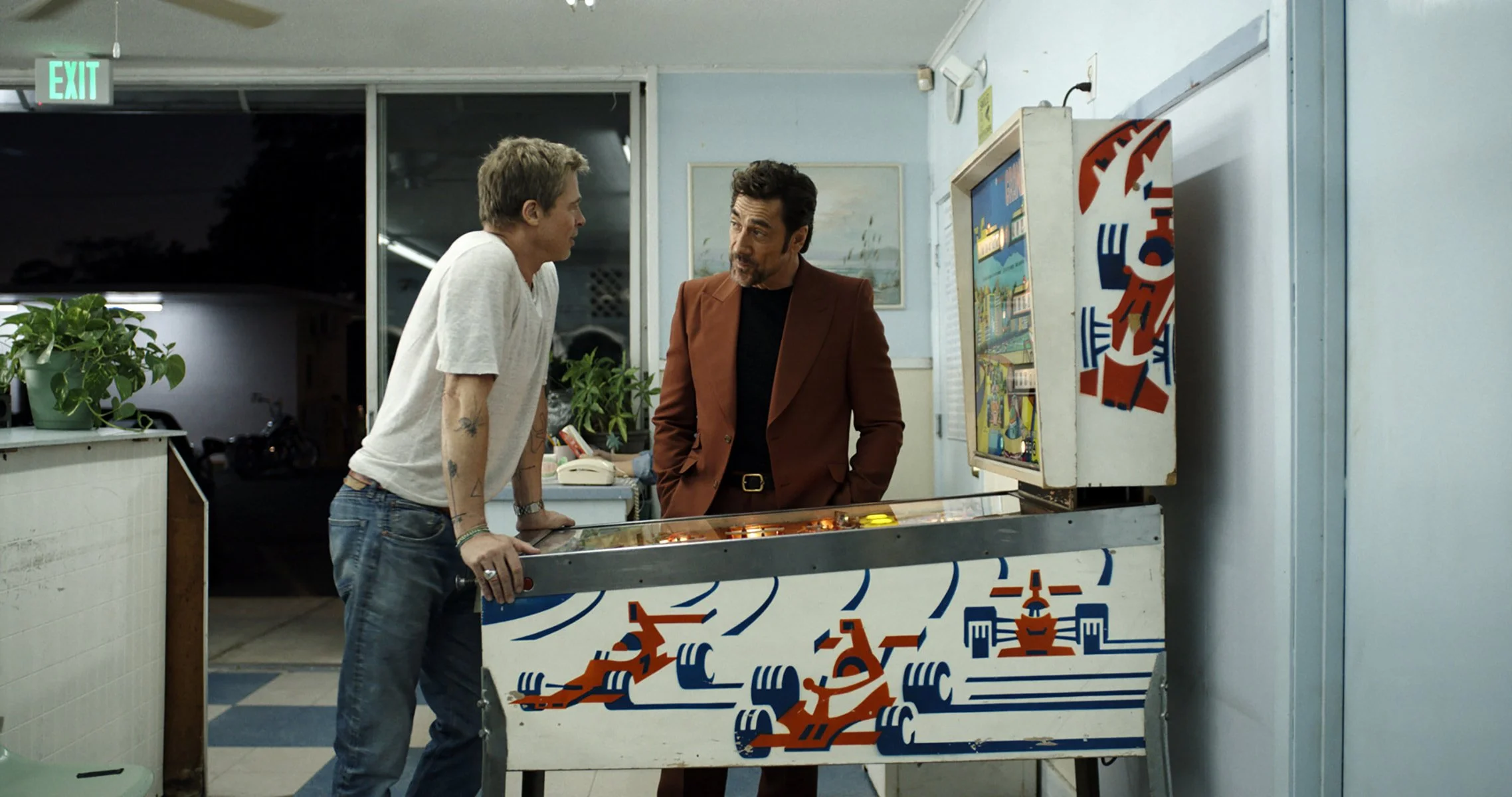

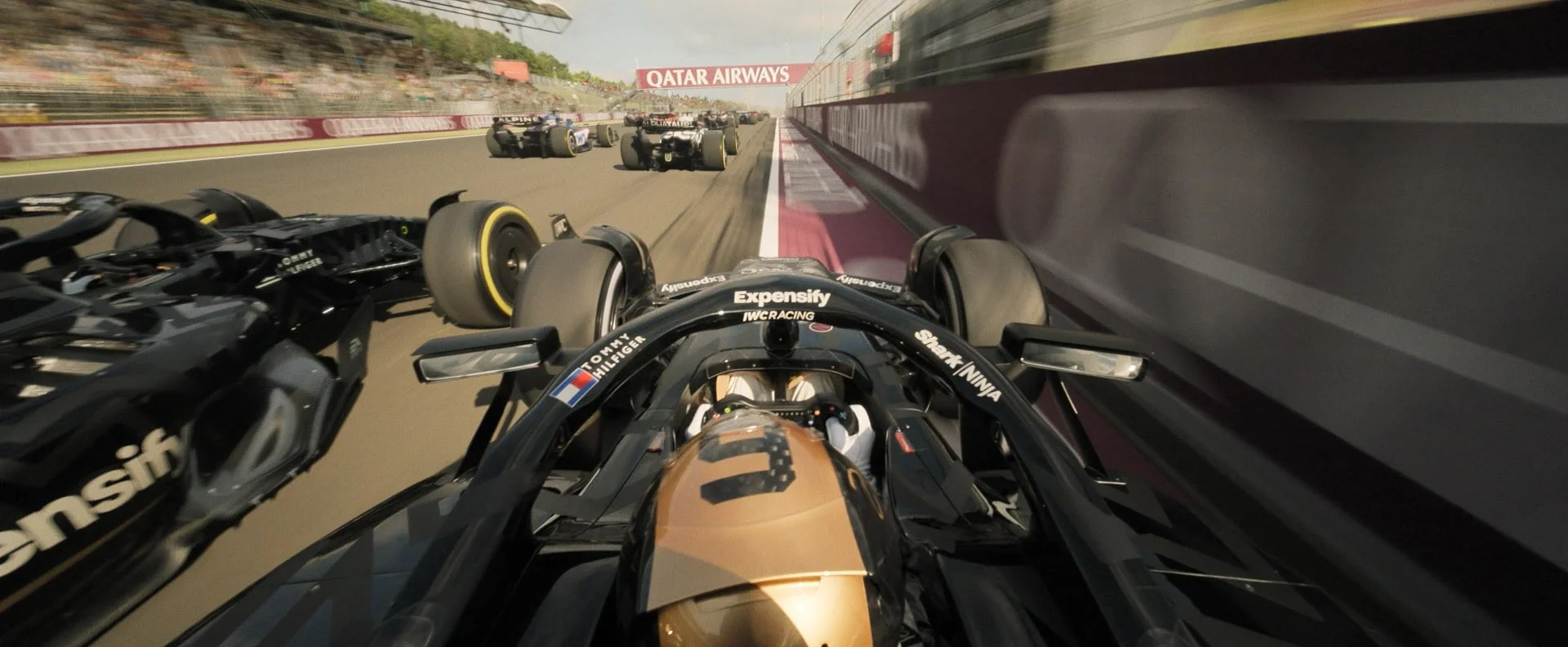
F1: The Movie
Year: 2025
Director: Joseph Kosinski
Spoiler Warning: This review contains discussion of major plot points and ending details.
Quick Take: A Fun, Old-School Blockbuster With One Modern Blind Spot
F1: The Movie is one of those big, glossy Hollywood crowd-pleasers that’s mostly here to entertain – and honestly, it succeeds at that. It’s fast, fun, and surprisingly “old-school PG-13” in the sense that it isn’t trying to shock you every ten minutes. It’s not some deep moral parable, but it’s also not morally empty. You can enjoy it, especially if you’re in the mood for a good blockbuster, as long as you go in with your eyes open about one modern cultural blind spot the film treats a little too casually.
The Story
At its core, this is a racing-and-team movie: high-level competition, big personalities, and that constant tension between “my glory” and “our victory.” Brad Pitt’s Sonny is right in the middle of that world, alongside the younger, talented Joshua Pierce – two drivers with plenty of swagger who have to figure out what it actually takes to win as a unit, not just as individuals.
What Works
The biggest strength here is simple: it’s entertaining. The movie understands the “big summer blockbuster” assignment and leans into it without becoming vulgar or gratuitous. And the score (Hans Zimmer doing Hans Zimmer) is a major part of why the whole thing feels energized and cinematic. Even when the story isn’t reinventing the wheel, the craft keeps it moving.
What I also appreciated (and I don’t say this lightly anymore) is that the film doesn’t feel like it’s constantly pushing boundaries just to be edgy. The language is mild overall, and it genuinely plays like the kind of PG-13 you would’ve expected 20–30 years ago, not the “basically-R-but-we-got-away-with-it” version we often get now.
The Christian Lens
Where the movie shines morally is in its focus on teamwork, sacrifice, and humility, especially the way it shows ego getting in the way of the common good. Over and over, characters are put in situations where they have to lay down pride, status, and the need to be the star, in order to serve the team. That’s a very recognizable moral arc for a Christian: learning self-mastery, choosing cooperation over self-exaltation, and realizing that real excellence often requires self-denial.
Both Sonny and Joshua have some version of that journey. Joshua’s growth is there, even if he still comes across a bit cocky by the end – and honestly, that can feel realistic. Conversion in virtue usually looks more like slow sanctification than an instant personality transplant. Sonny’s arc feels a little more muddled: he does hit the external goal (the big win), but the internal transformation is subtler, and you may walk away unsure how much he’s really changed as a man, not just as a driver.
Now, the main moral snag is a familiar one in modern film: the movie treats a sexual relationship as casual, consequence-free, and basically “no big deal.” Even though it’s more of a localized subplot/scene than the point of the film, it’s still presented as normal and emotionally low-stakes, with no real sense of commitment. From a Catholic moral perspective, that matters, because sex isn’t just a recreational side activity – it’s meant to belong within marriage, where it speaks truthfully the language of total, faithful, lifelong self-gift. When a movie shrugs at that and frames physical intimacy as just another passing moment, it subtly catechizes the viewer in the opposite direction, even if it’s doing it with a wink and a smile.
That being said, I want to give credit where it’s due while still being honest: from a Hollywood point of view, sex is handled with real restraint. There’s zero sex shown and zero nudity shown – it’s implied, not explicit. In today’s film landscape, it’s honestly refreshing to see filmmakers get their point across without inserting an unnecessary sex scene just because they can. That restraint is genuinely commendable.
But (and this “but” matters), restraint in depiction doesn’t erase the moral message. Even without explicitness, the scene still implies a sexual relationship outside of marriage and treats it as casual and commitment-free. Catholic moral teaching is clear that sexual intimacy belongs within marriage, where it truthfully expresses a total, faithful, and life-open self-gift—not a temporary arrangement that ends with a shrug. So the film isn’t just “showing reality”; it’s also normalizing a view of sex and relationships that can quietly form people in the wrong direction if they aren’t already grounded.
This is also where a well-formed conscience (not just “what feels fine”) really comes into play. For an adult who already knows what the Church teaches, that scene may register as, “Yep, that’s the world’s script – moving on.” For a teen (or anyone) still forming their moral imagination, it can land as, “See? This is normal. This is how grown-up relationships work.” That’s why, if younger teens are watching, this is the kind of movie that’s better seen with a parent who’s willing to have a quick, calm conversation afterward.
Content Notes
In terms of explicit content, it’s relatively restrained: there’s no nudity and no sex shown, but there is an implied premarital sexual encounter and a “casual relationship” vibe around it. Language is generally mild, and overall the movie avoids the kind of gratuitous content that so many modern blockbusters toss in without any real narrative need.
Bottom Line
If you want a fun, well-made racing blockbuster with strong themes of teamwork, sacrifice, and (at least some) growth in humility, F1: The Movie is worth a watch. Just be aware that it carries one very contemporary bit of moral fog around sexuality and commitment – nothing graphic, but definitely something the film treats too lightly. For most adults, that’s a manageable caution; for teens, it’s a good opportunity for a short “let’s talk about what the movie assumes is normal” conversation over that post-movie snack.
DISCLAIMER: These reviews and ratings are offered to assist the formation of conscience, not replace it. Christians may reasonably differ in their final judgment.